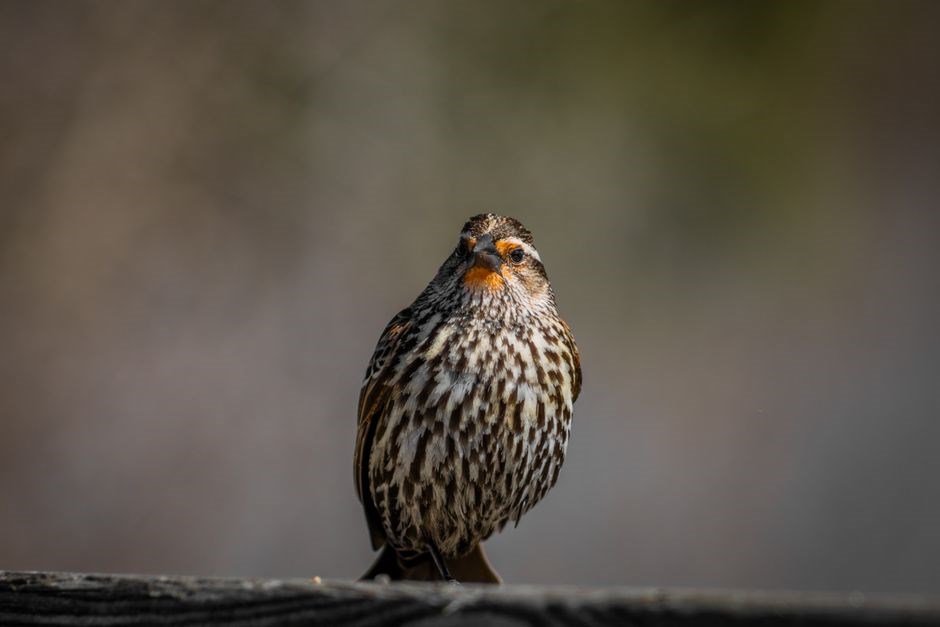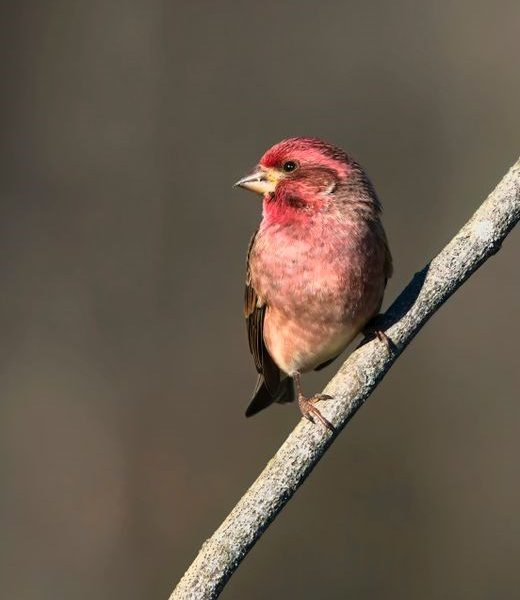
Montana’s diverse landscapes host over 350 recorded bird species, yet the guide spotlights 143 common residents. Curated by Stan Tekiela, it blends field‑ready photos, concise descriptions, and identification tips, making birdwatching accessible for beginners and experts alike. ⸺ birdwatching guide now!
Purpose and Scope
The guide’s layout emphasizes comparison with color plates and points. Field notes highlight sites, flight patterns, and feeding habits, enabling observers to confirm identifications in real time. A glossary of terms and a map of habitats provide context for birders. Integrating evidence with tips, the guide empowers users to build confidence in bird identification while fostering natural heritage!!
The guide’s purpose is to streamline bird identification by focusing on species that appear most frequently across Montana’s diverse ecosystems, from alpine tundra to prairie grasslands. By limiting the scope to 143 common species, the book offers a realistic and achievable target for birdwatchers, reducing the cognitive load that comes with cataloguing every rare or transient visitor. This pragmatic approach encourages consistent observation, allowing users to track seasonal changes, breeding patterns, and population trends over time.
Scope-wise, the guide covers species that are regularly observed in Montana’s public lands, wildlife refuges, and private properties. It deliberately omits extremely rare vagrants, species that are only sighted once in a century, or those that are primarily found outside the state. The focus remains on birds that can be reliably identified in the field, ensuring that the guide remains a practical tool for everyday use, whether at a roadside park, a high‑altitude meadow, or a back‑yard feeder.
By focusing on common species, the guide a very tool for birders and researchers alike.
Audience and Use
The Montana Bird Field Guide is tailored for a broad spectrum of bird enthusiasts, ranging from novices who have just purchased their first binoculars to seasoned ornithologists seeking a quick reference. Its concise, field‑ready format allows users to identify 143 common species on the fly, making it ideal for roadside stops, park visits, and backyard feeders. The guide’s clear photographs, succinct descriptions, and key identification cues—such as plumage, vocalization, and flight pattern—enable rapid confirmation in varied lighting and weather conditions. By concentrating on species that appear frequently across Montana’s diverse habitats, the book reduces the overwhelm that can accompany larger field guides. The inclusion of a simple map habitat notes helps readers contextualize sightings within state’s ecological zones. It also has a QR code for quick
Additionally, the guide’s compact size and durable cover make it suitable for backpacking, hunting trips, andclassroom field trips. The user-friendly layout includes a quick‑reference key, color‑coded family sections, and a concise field checklist. Birders can cross‑check sightings with the online database, which updates seasonal ranges and migration alerts. The guide offers a section on conservation tips encouraging responsible stewardship of Montana’s habitats. It syncs with the state daily

Overview of Montana Avifauna
Montana hosts over 350 bird species, but the guide highlights 143 common ones. They span alpine, river, and sagebrush habitats, showcasing the state’s ecological diversity. Quick photos and concise notes aid rapid identification. Seasonal ranges updated online for all.
Historical Records and Species Count

Montana’s avian history is chronicled through meticulous field notes, citizen‑science logs, and state‑approved checklists that span more than a century. Since the early 1900s, dedicated birders have documented every sighting, creating a comprehensive database that now lists over 350 distinct species. These records, compiled by the Montana Audubon Society, the U.S. Geological Survey, and local ornithology groups, provide a baseline for conservation and research. The field guide distills this wealth of data by selecting 143 species that are consistently observed across the state’s diverse habitats—from alpine tundra to river valleys and sagebrush plains. By focusing on these common species, the guide offers a practical tool for both novice observers and seasoned experts, ensuring that identification remains approachable while still reflecting the region’s rich biodiversity. Regular updates from the Montana Department of Fish, Wildlife & Parks keep the species list current, acknowledging new discoveries and range shifts due to climate change.
The guide’s design emphasizes user-friendly layouts, with bold headers and concise field notes that highlight key identification cues and song, habitat.?! By integrating these resources, the guide not only supports hobbyists but also contributes to citizen science efforts that inform state wildlife management and conservation strategies. By focusing on these common species, the guide offers a practical tool for both novice observers and seasoned experts, ensuring that identification remains approachable while still reflecting the region’s rich biodiversity.
Geographic and Ecological Diversity
Montana’s landscape is a mosaic of high‑altitude peaks, rolling foothills, expansive grasslands, dense coniferous forests, and riparian corridors that together create a spectrum of ecological niches. The Rocky Mountains dominate the western third, offering alpine tundra, subalpine spruce‑fir stands, and high‑elevation wetlands that support species such as the American dipper, rosy‑beaked hawk, and various water‑fowl. The Bitterroot Valley and the Great Plains transition into sagebrush steppe and short‑grass prairie, habitats that favor ground‑foraging birds like the sage grouse, western meadowlark, and numerous sparrow species. The Missouri and Yellowstone river corridors provide lush riparian zones, attracting warblers, kingfishers, and the iconic bald eagle. Coastal plains near the Great Salt Lake and the western basin feature saline wetlands that host the western gull, black‑crowned night heron, and a host of shorebirds. The state’s diverse microclimates—ranging from harsh alpine winters to mild summer summers—allow for seasonal migrations, making Montana a critical stopover for migratory passerines such as the black‑throated blue warbler and the common raven. This ecological tapestry not only supports a high species richness but also drives the need for region‑specific field guides that reflect the unique assemblage of birds found across Montana’s varied habitats. This guide also highlights seasonal nesting sites, winter rookeries, and migratory corridors, underscoring Montana’s daily birding daily role
Taxonomic Framework
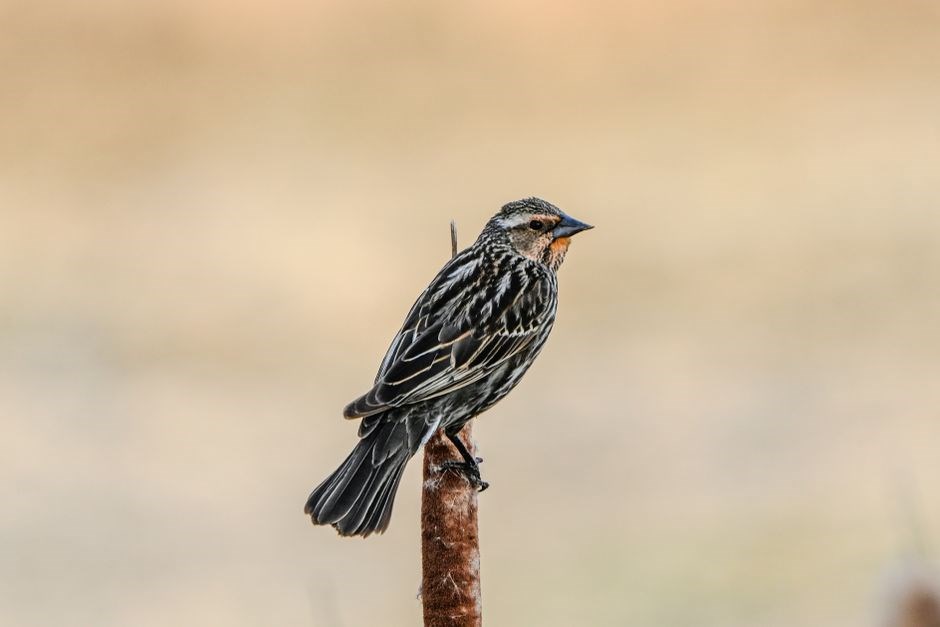
Montana’s avifauna is organized into 12 major families, each chosen for its ecological significance and field visibility. The guide prioritizes Accipitridae, Passerellidae, and Fringillidae, offering concise keys, range maps, and seasonal notes to aid quick identification.
The Montana Field Guide highlights twelve key families that represent the state’s ecological breadth and visual prominence. These families span from soaring raptors to ground‑dwelling sparrows, each chosen for its frequent appearance and ease of identification in the field. The guide’s focus families are:
- Accipitridae – Hawks, eagles, and kites that dominate Montana’s open plains and mountainous ridges.
- Passerellidae – New World sparrows, the most common songbirds that thrive in grasslands and shrublands.
- Fringillidae – Finches, whose bright plumage and distinctive calls mark the state’s spring and summer.
In addition, the guide includes nine supplementary families that enrich the birding experience: Recurvirostridae, Phalacrocoracidae, Polioptilidae, Podicipedidae, Threskiornithidae, Stercorariidae, Caprimulgidae, Motacillidae, Charadriidae, Odontophoridae, Scolopacidae, Procellariidae, Hirundinidae, Cardinalidae, Bombycillidae, and Troglodytidae. Each family is presented with concise descriptions, range maps, and key field marks to aid quick identification during outdoor excursions. The Recurvirostridae, for example, are large wading birds with distinctive long bills, often found along Montana’s rivers. Phalacrocoracidae, or cormorants, are water‑dwellers that glide gracefully over lakes. Polioptilidae, the gnatcatchers, are small insectivores with bright tails. Podicipedidae, the grebes, display elaborate courtship dances on still water. Threskiornithidae, the ibises, are recognizable by their long, curved bills. Stercorariidae, the skuas, are aggressive seabirds that patrol coastal cliffs. Caprimulgidae, nightjars, are nocturnal hunters with cryptic plumage. Motacillidae, wagtails, are slender birds that flick their tails. Charadriidae, the plovers, are common along shorelines. Odontophoridae, quail, are ground‑dwelling game birds. Scolopacidae, sandpipers, are abundant in marshes. Procellariidae, petrels, are rare visitors from the Pacific. Hirundinidae, swallows, are swift aerial feeders. Cardinalidae, cardinals, are bold and colorful. Bombycillidae, waxwings, are known for their soft plumage. Troglodytidae, wrens, are tiny but vocal.
Selection Criteria for Common Species
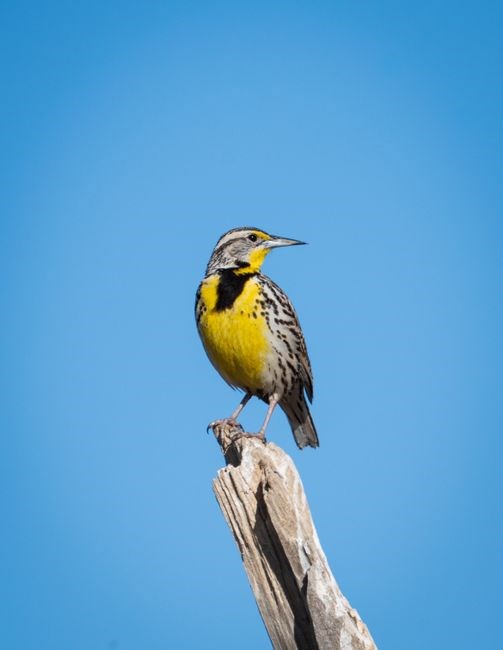
The selection of species for the Montana Bird Field Guide is guided by a set of practical and ecological criteria designed to serve both novice and experienced observers; First, a species must be regularly documented within the state’s borders, ensuring that the guide remains relevant to everyday fieldwork. Second, the bird should exhibit distinctive field marks that can be recognized from a distance or with minimal equipment, allowing quick identification in diverse habitats. Third, the species’ range should overlap multiple ecological zones—grasslands, riparian corridors, alpine tundra, and forested valleys—so that the guide covers the full breadth of Montana’s landscapes. Fourth, seasonal presence is considered; species that appear during both spring and fall migrations, or that breed locally, provide opportunities for repeated observation. Fifth, the bird’s abundance and public interest are weighed, prioritizing species that attract birders and that are likely to be encountered at common viewing sites such as parks, wildlife refuges, and roadside habitats. Finally, the availability of high‑quality photographs and reliable field notes from local experts is required, ensuring that each entry offers clear, accurate visual references. By applying these criteria, the guide presents a curated list of 143 species that balance scientific representation with practical usability for the Montana birding community. These criteria make the guide a reliable companion for birders, educators, and conservationists, helping them appreciate Montana’s avian diversity all ever year. And so
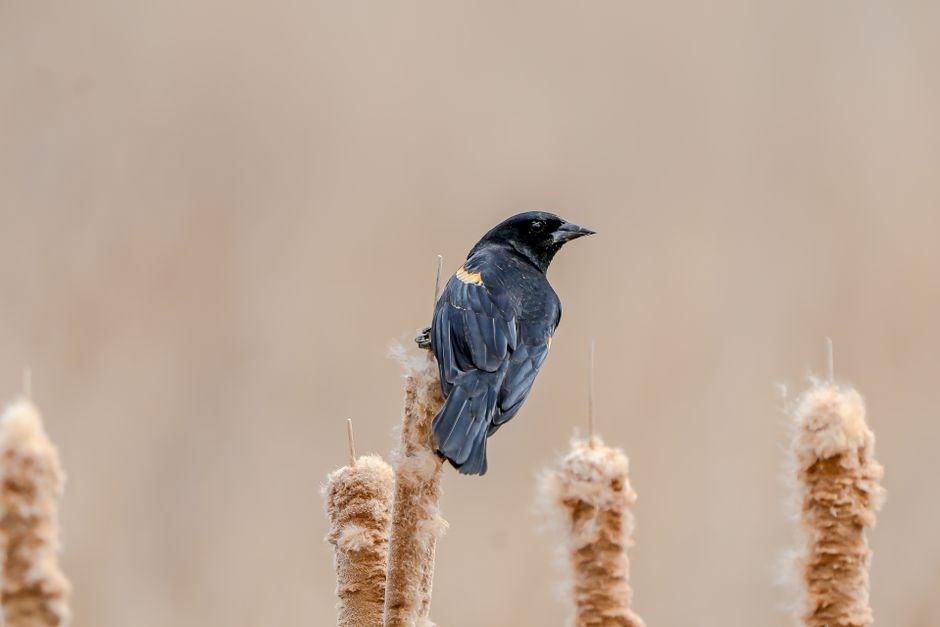
Key Families and Representative Species
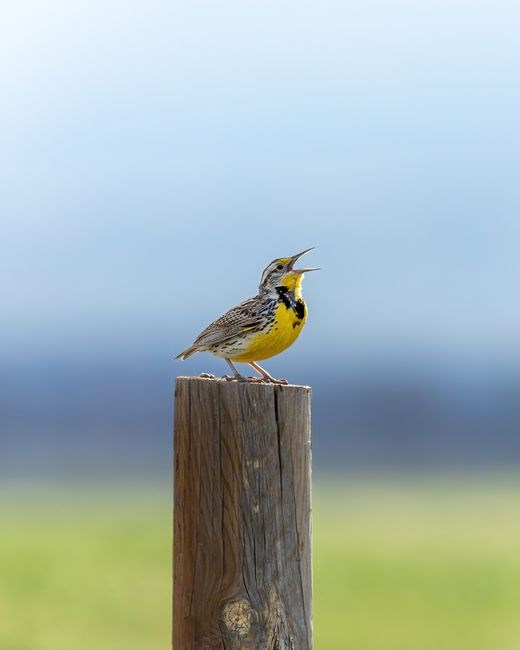
Montana’s avifauna showcases key families: Accipitridae with the majestic Bald Eagle; Passerellidae featuring the lively American Goldfinch; and Fringillidae represented by the bright House Finch. These species exemplify the state’s ecological diversity and are highlighted for easy field identification.
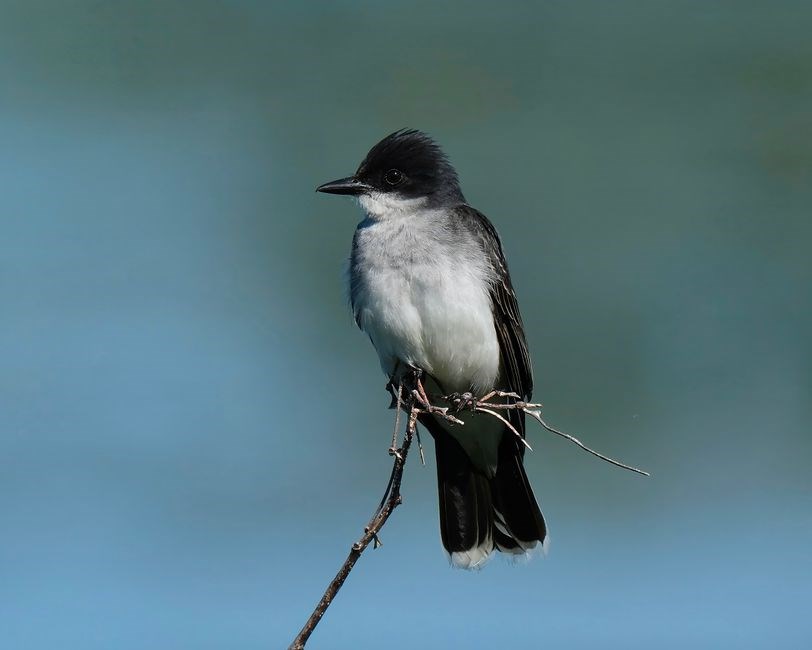
Accipitridae (Hawks and Eagles)
Accipitridae, the family of hawks, eagles, and kites, dominate Montana’s skies. The state’s flagship bird, the Bald Eagle, nests along the Missouri and Yellowstone rivers, while the Golden Eagle soars over the high plains. Red‑tailed Hawks are ubiquitous, seen perching on telephone poles or hunting in open fields. Lesser‑known members include the Swainson’s Hawk, a long‑distance migrant that passes through wintering grounds, and the Sharp‑shinned Hawk, a small but fierce predator that thrives in forest edges. Montana’s diverse habitats—from alpine tundra to riparian corridors—provide ideal nesting sites and abundant prey, supporting a healthy Accipitridae population. Field identification relies on distinctive plumage, flight patterns, and vocalizations. The guide offers high‑resolution photographs, concise field marks, and habitat notes to help observers quickly recognize each species. Whether you’re a novice birdwatcher or an experienced raptor enthusiast, the Accipitridae section delivers essential information for spotting and appreciating Montana’s soaring birds. Observers should note the soaring flight of the Bald Eagle, the dives of the Red‑tailed Hawk, and the patterns of the Swainson’s Hawk. In spring, the Golden Eagle’s plumage shifts from dark to a lighter hue, making it easier to spot against the alpine backdrop. The Sharp‑shinned Hawk, though small, perches in dense brush, waiting for prey to cross the understory. Field guides provide key field marks such as wing shape, tail length, and eye color to differentiate similar species. By pairing visual cues with habitat context—open plains, forest edges, or riparian corridors—birdwatchers can reliably identify Accipitridae across Montana’s varied ecosystems
Passerellidae (New World Sparrows)
Montana’s grasslands shrublands and riparian zones host World Sparrows. The guide highlights 30 Passerellidae species from the familiar Sparrow to the elusive Sparrow. Identification hinges on plumage differences song patterns and habitat preference. For example the Sparrow’s “chip‑chip” call and foraging contrast with the Sparrow’s trill. The field guide provides images key field marks such as wing bar patterns tail length and eye stripe visibility and notes on breeding displays. Many species like the Bunting and Grasshopper exhibit plumage changes that aid identification. Observers note that the Brewer’s Sparrow nests in areas near water while the Savannah favors grasslands. The guide discusses migration timing with spring arrivals in late March and early April and fall departures by mid‑October. By pairing visual cues with behavioral observations such as foraging technique flight pattern and vocalization can reliably distinguish Passerellidae across Montana’s ecosystems. Whether spotting a Ruby‑spotted Sparrow on a prairie or a Yellow Sparrow in a riparian corridor the guide equips enthusiasts with tools for accurate identification and appreciation of Montana’s sparrow diversity. The diet of most Passerellidae in Montana consists primarily of seeds insects and invertebrates with many species adjusting their foraging strategy. Habitat loss due to agriculture and development threatens some species but many remain stable thanks to grassland reserves. Birdwatchers encouraged to record sightings in science platforms. And birdwatching community support research. These observations help conservationists understand population dynamics and guide habitat management ensuring that future generations can continue to enjoy the avian diversity that defines Montana’s heritage across the state and beyond and protect these species for future.
Fringillidae (Finches)
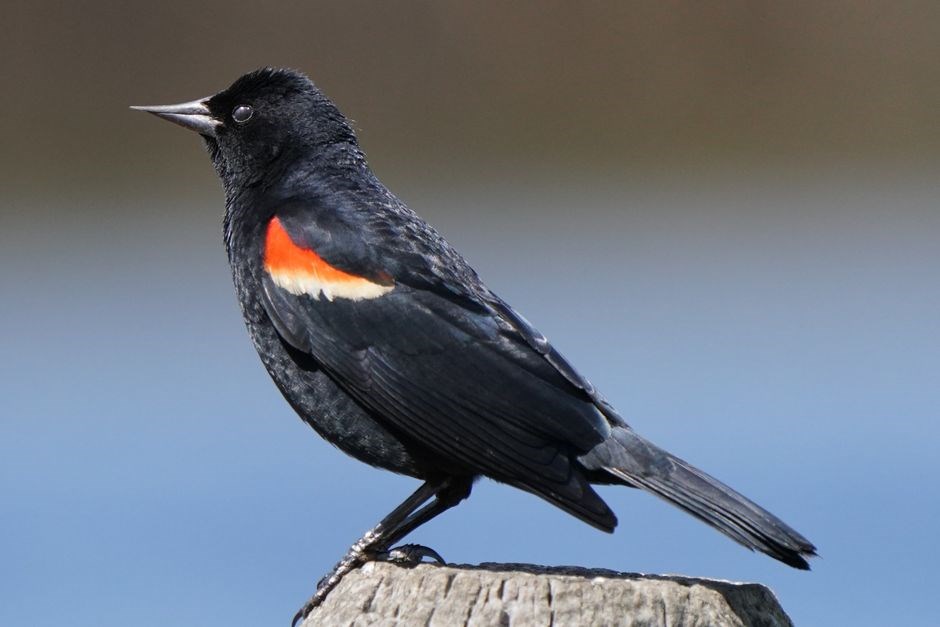
Montana’s rugged mountains, high plains, and riparian corridors support a vibrant Finch community. The guide spotlights 12 Fringillidae species, ranging from the iconic House Finch to the elusive Gold‑winged Warbler. The guide discusses migration timing, noting spring arrivals in late March and early April, with fall departures by mid‑October.
Diet primarily consists of seeds, insects, and berries, with many species adjusting foraging strategies seasonally. Observers note that Finches often form mixed flocks during migration, providing a visual cue for identification.
By pairing visual cues with behavioral observations, enthusiasts can reliably distinguish Finches across Montana’s diverse ecosystems, deepening appreciation for the state’s rich avian tapestry!
Conservation initiatives in Montana focus on preserving nesting habitats and mitigating human disturbances. State agencies collaborate with local landowners to maintain prairie grasslands and riparian buffers, ensuring that Finches have safe breeding sites. Researchers monitor population trends through systematic surveys and acoustic monitoring, while citizen scientists log sightings on platforms such as eBird and the Montana Birding Atlas. These data help identify shifts in distribution linked to climate change and land‑use practices. By engaging the public in stewardship activities—such as installing native plant gardens and reducing pesticide use—Montana’s birdwatching community contributes to long‑term species resilience and biodiversity conservation.