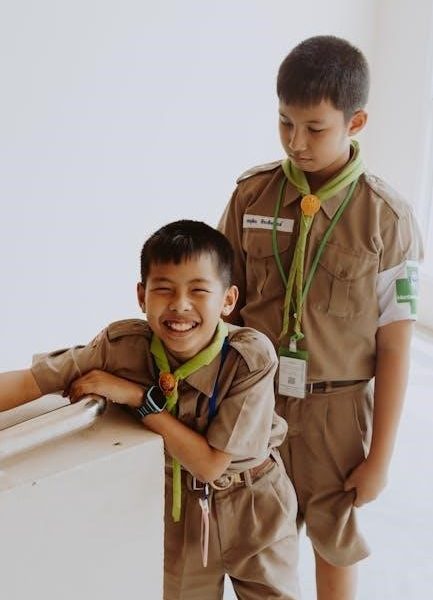
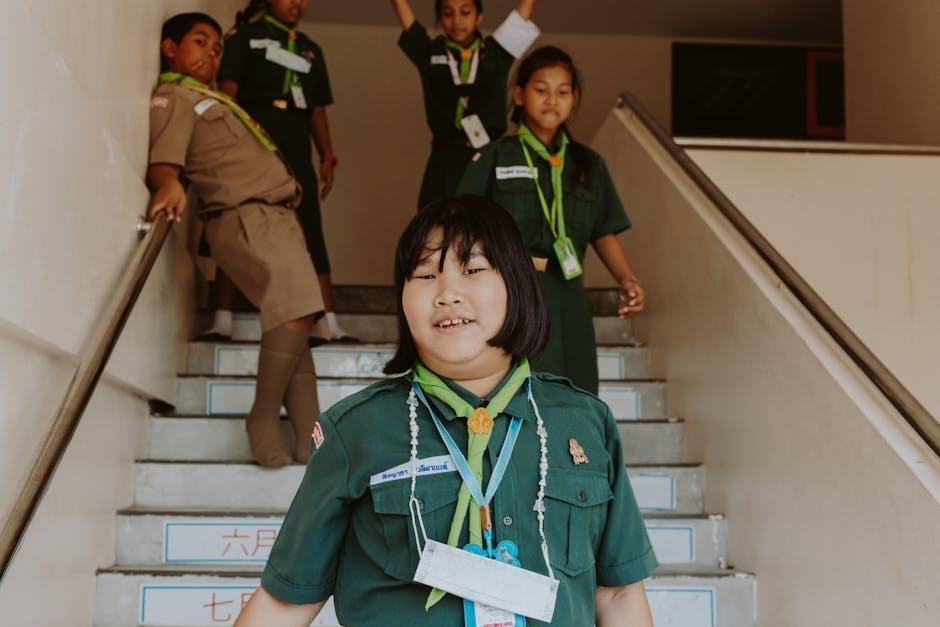
Cranford Junior Girl Scout Troop 40843, guided by Flowers by Maggie’s owner, embarked on a aMuse Journey, successfully earning their Flower Badge․ This badge encourages exploration and understanding of the floral world, fostering appreciation for nature’s beauty․
What is the Junior Flowers Badge?
The Junior Flowers Badge is a component of the aMuse Journey, designed to ignite a passion for botany and environmental stewardship within young Girl Scouts․ Specifically, Cranford Junior Girl Scout Troop 40843 recently achieved this badge, demonstrating a hands-on learning experience facilitated by Margaret Iacovano of Flowers by Maggie․
This badge isn’t merely about identifying pretty petals; it’s a deep dive into flower anatomy, life cycles, and the crucial role flowers play in our ecosystem․ The journey encompasses practical skills like planting and observation, alongside an understanding of pollinator relationships․ The badge encourages girls to connect with nature, fostering a sense of responsibility towards its preservation․ It’s a stepping stone towards appreciating the intricate beauty and vital importance of the plant kingdom, and a celebration of floral artistry․
Badge Overview & Goals
The Junior Flowers Badge, earned by Cranford Junior Girl Scout Troop 40843 with guidance from Flowers by Maggie, aims to cultivate a comprehensive understanding of flowers and their significance․ The core goals center around developing observational skills, fostering an appreciation for the natural world, and promoting environmental awareness․
Girls participating in this badge journey will learn to identify common flower species, dissect blooms to understand their anatomy, and actively participate in planting․ A key objective is recognizing the vital connection between flowers and pollinators – bees and butterflies – and how to create supportive habitats․ Ultimately, the badge seeks to empower young scouts to become informed stewards of the environment, capable of appreciating and protecting the delicate balance of nature through hands-on experience and knowledge․
Understanding Flowers
Troop 40843’s badge work with Flowers by Maggie focused on floral anatomy, differentiating wild versus cultivated varieties, and charting a flowering plant’s complete life cycle․
Flower Anatomy: Parts of a Flower
Delving into flower anatomy is a core component of the Junior Flowers Badge, as demonstrated by Cranford Troop 40843’s learning experience with Flowers by Maggie․ Girls discover flowers aren’t simply beautiful; they’re complex structures with specific roles․ The pistil, the flower’s female part, includes the stigma, style, and ovary – crucial for seed production․ Conversely, the stamen, the male part, consists of the anther and filament, responsible for pollen․
Petals attract pollinators with vibrant colors and scents, while sepals protect the developing bud․ The receptacle supports the flower, and the stem provides essential transport․ Understanding these parts isn’t just about memorization; it’s about appreciating the intricate design enabling plant reproduction․ This foundational knowledge, imparted by Margaret Iacovano, sets the stage for further exploration within the aMuse Journey and badge requirements․
Types of Flowers: Wild vs․ Cultivated
Exploring flower diversity is key to the Junior Flowers Badge, as Cranford Troop 40843 learned through their work with Flowers by Maggie․ A fundamental distinction lies between wildflowers – naturally occurring blooms adapted to specific environments – and cultivated flowers, intentionally grown by humans․ Wildflowers often exhibit resilience and play vital ecological roles, supporting native pollinators․
Cultivated flowers, conversely, are bred for aesthetic qualities like color, size, and fragrance․ This doesn’t diminish their value; they bring beauty to gardens and provide resources for beneficial insects․ Understanding this difference highlights human impact on plant life and the importance of conservation․ The aMuse Journey encourages girls to appreciate both types, recognizing their unique contributions to the ecosystem and our enjoyment․ Identifying both wild and cultivated varieties fulfills badge requirements, fostering a broader botanical awareness․
The Life Cycle of a Flowering Plant
A core component of the Junior Flowers Badge, as experienced by Cranford Troop 40843 with Flowers by Maggie, is understanding the life cycle of a flowering plant․ This begins with seed germination, where a seed sprouts under favorable conditions – water, warmth, and sunlight․ Next comes growth, as the plant develops roots, stems, and leaves, utilizing photosynthesis for energy․
The plant then enters the flowering stage, producing blossoms for reproduction․ Pollination, often aided by bees and butterflies, leads to fertilization and the development of fruit containing seeds․ Finally, seeds are dispersed, restarting the cycle․ This continuous process demonstrates nature’s ingenuity and interconnectedness․ Comprehending this cycle is crucial for successful gardening and appreciating the plant kingdom, aligning with the goals of the aMuse Journey and badge requirements․
Earning the Badge: Requirements Breakdown
Troop 40843, with Flowers by Maggie, fulfilled badge criteria through flower identification, dissection, and planting, showcasing a comprehensive understanding of floral biology and care․
Requirement 1: Identifying Common Flowers
Successfully identifying common flowers forms the foundational first step in earning the Junior Flowers Badge․ This requirement encourages Scouts to develop observational skills and learn the names of plants frequently found in their local environments․ The aMuse Journey, as exemplified by Cranford Junior Girl Scout Troop 40843, often begins with guided explorations, potentially with assistance from local experts like Margaret Iacovano of Flowers by Maggie․
Scouts might utilize field guides, online resources, or even create their own flower journals, documenting their discoveries with sketches and descriptions․ Focusing on easily recognizable blooms – daisies, sunflowers, roses, and tulips – provides a solid starting point․ Beyond simply naming the flowers, understanding basic characteristics like petal shape, leaf arrangement, and stem structure enhances the learning experience․ This initial identification process builds a crucial base for subsequent badge requirements, such as dissection and understanding the life cycle of flowering plants․
Requirement 2: Flower Dissection & Observation
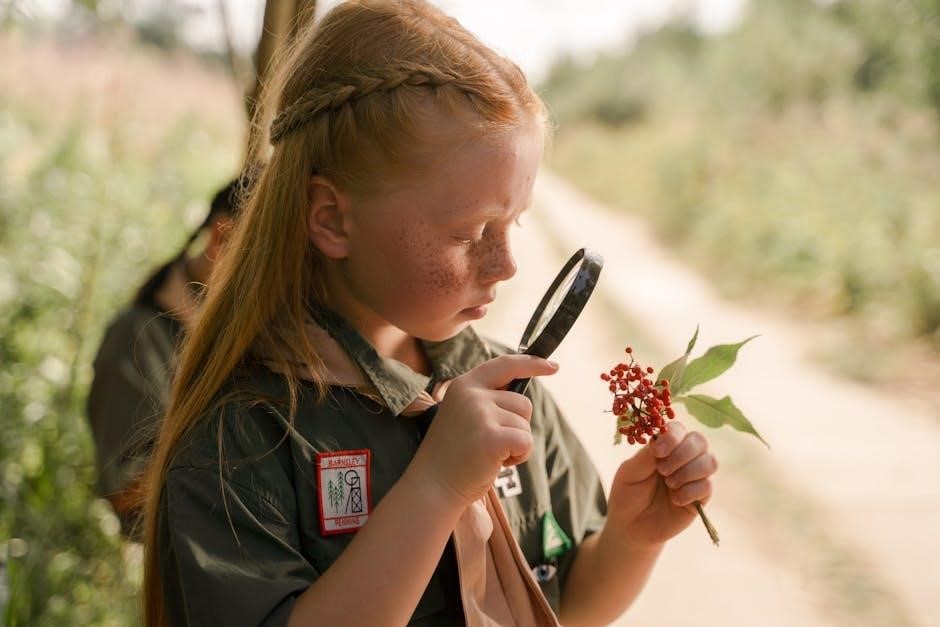
Building upon flower identification, the second requirement delves into the intricate anatomy of blossoms through careful dissection and observation․ This hands-on activity, central to the Junior Flowers Badge, allows Scouts to explore the function of each floral part – petals, sepals, stamens, and pistils․ Following the aMuse Journey model, as demonstrated by Cranford Junior Girl Scout Troop 40843 and guided by experts like Margaret Iacovano, this step fosters scientific inquiry․
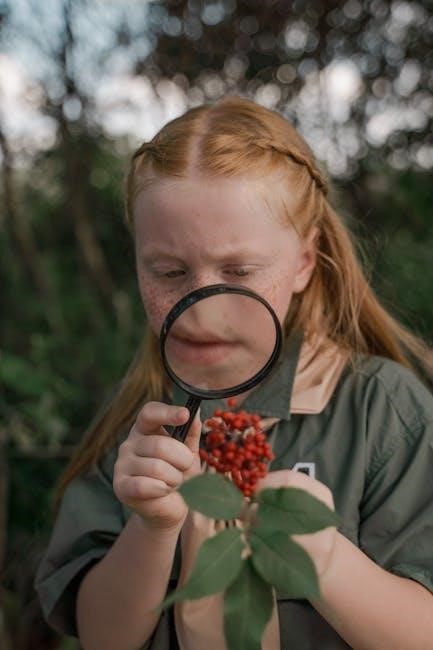
Using tools like magnifying glasses and tweezers, Scouts gently separate the flower components, noting their textures, colors, and arrangements․ Documenting observations through drawings or written descriptions is key․ Understanding how each part contributes to pollination and seed production deepens their appreciation for the flower’s life cycle․ This requirement isn’t just about memorizing names; it’s about understanding the flower’s biological purpose and interconnectedness within the ecosystem․
Requirement 3: Planting Flowers
The final core requirement of the Junior Flowers Badge centers on the practical skill of planting flowers, bringing the theoretical knowledge gained into tangible action․ Inspired by the success of Cranford Junior Girl Scout Troop 40843’s badge journey with Flowers by Maggie, Scouts will actively participate in the process, from seed selection to nurturing growth․ This hands-on experience reinforces understanding of the flower life cycle and responsible gardening practices․
Scouts will learn about appropriate planting depths, spacing requirements, and the importance of providing adequate sunlight and water․ They’ll also explore different methods of propagation, such as starting seeds indoors or directly sowing them into the garden․ This requirement encourages a sense of ownership and responsibility, as Scouts witness the fruits of their labor bloom․ Documenting the planting process and tracking plant growth further enhances the learning experience, solidifying their connection to the natural world․
Flower Gardening & Care
Following the aMuse Journey, Scouts will delve into essential gardening techniques, learning about soil preparation, watering, and sunlight – vital for thriving blooms․
Choosing the Right Flowers for Your Region
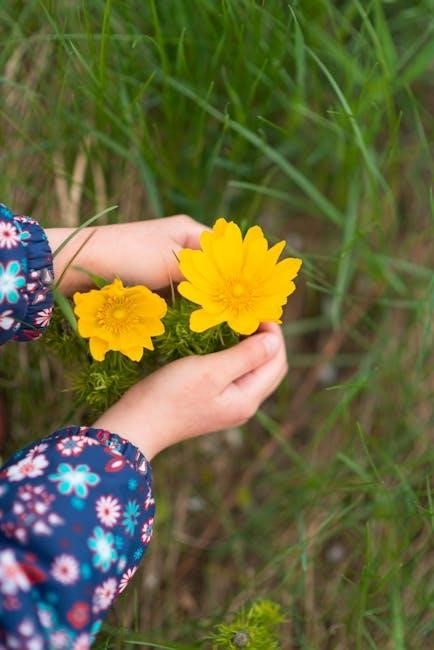
Selecting appropriate flowers is crucial for success, aligning with local climate and conditions․ Consider your region’s hardiness zone – a geographically defined area indicating minimum winter temperatures․ This dictates which plants can survive․ Native flowers are excellent choices, already adapted to the local environment, requiring less maintenance and supporting local pollinators․
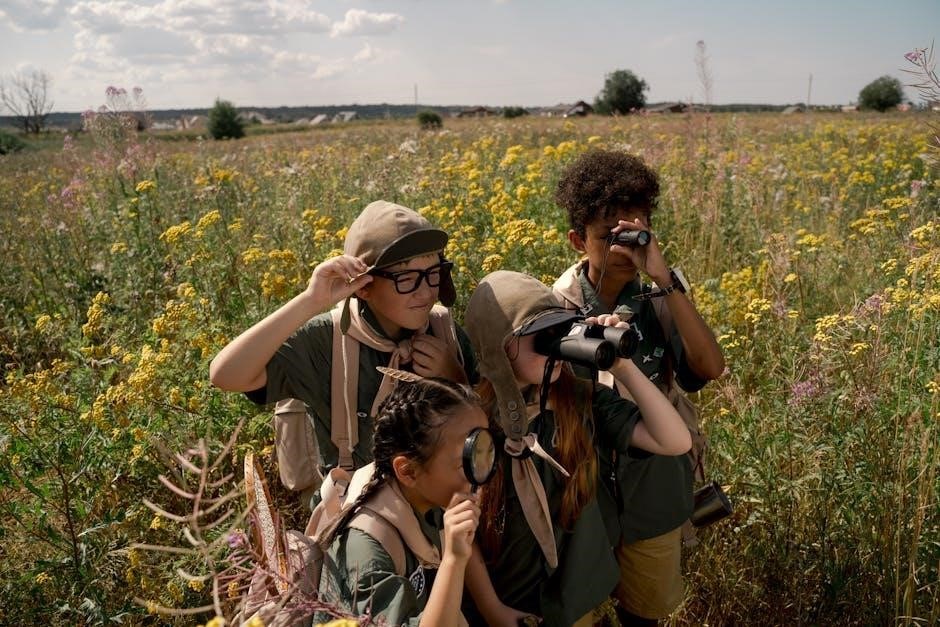
Research flowers that thrive in your specific area; local nurseries and gardening clubs offer valuable insights․ Think about sunlight exposure – full sun, partial shade, or full shade – and soil type (sandy, clay, loam)․ Matching flower needs to your garden’s conditions ensures healthy growth and vibrant blooms․ Don’t forget to consider bloom time, creating a succession of color throughout the growing season․ The aMuse Journey emphasizes understanding these regional nuances for a flourishing garden․
Soil Preparation & Planting Techniques
Proper soil preparation is fundamental for healthy flower growth․ Begin by clearing the planting area of weeds, rocks, and debris․ Amend the soil with compost or other organic matter to improve drainage, aeration, and nutrient content․ This creates a welcoming environment for roots to establish․ Soil testing can reveal pH levels and nutrient deficiencies, guiding amendment choices․
When planting, follow spacing recommendations on seed packets or plant tags․ Dig a hole slightly larger than the root ball, gently loosen the roots, and place the plant in the hole․ Backfill with soil, firming gently around the base․ Water thoroughly after planting․ Consider techniques like raised beds or container gardening for improved drainage and control․ The aMuse Journey encourages hands-on experience with these essential gardening skills, fostering a connection to nature․
Watering & Sunlight Requirements
Understanding a flower’s needs for water and sunlight is crucial for its survival and vibrant bloom․ Different flowers have vastly different requirements; some thrive in full sun, while others prefer partial shade․ Similarly, watering frequency depends on the plant, soil type, and climate․ Overwatering can lead to root rot, while underwatering causes wilting and stress․
Generally, aim to water deeply but less frequently, encouraging deep root growth․ Observe plants for signs of stress – drooping leaves often indicate a need for water, while scorched leaves suggest too much sun․ The aMuse Journey and earning the Flower Badge involve learning to identify these cues and adjust care accordingly․ Researching specific flower varieties ensures optimal conditions for flourishing gardens, mirroring the expertise of Flowers by Maggie․
Flowers & Pollinators
Bees and butterflies are vital pollinators, essential for plant reproduction and ecosystem health․ The Flower Badge journey emphasizes creating pollinator-friendly gardens, supporting these crucial creatures․
The Importance of Pollinators (Bees, Butterflies)
Pollinators, like bees and butterflies, play a critical role in our world, far beyond simply being beautiful insects․ They are responsible for the reproduction of a vast majority of flowering plants – including many of the fruits, vegetables, and nuts we rely on for food! Without pollinators, our food supply would be drastically impacted․
Bees are arguably the most well-known pollinators, diligently traveling from flower to flower, collecting nectar and pollen․ As they move, pollen grains stick to their bodies, transferring them to other plants, enabling fertilization․ Butterflies, with their long tongues, also contribute significantly to this process, especially for brightly colored flowers․
However, pollinator populations are facing numerous threats, including habitat loss, pesticide use, and climate change․ Understanding their importance and taking steps to protect them is crucial․ Creating pollinator-friendly gardens, avoiding harmful pesticides, and supporting sustainable agriculture are all ways we can help these vital creatures thrive․ The Flower Badge aims to educate girls about these challenges and empower them to become advocates for pollinator conservation․
Creating a Pollinator-Friendly Garden
Building a garden that attracts and supports pollinators is a fantastic way to contribute to their well-being! Start by planting a variety of native flowering plants that bloom at different times throughout the growing season, ensuring a continuous food source․ Choose flowers with different shapes and colors to appeal to a wider range of pollinators․
Avoid using pesticides, herbicides, and insecticides, as these can be harmful or even fatal to bees, butterflies, and other beneficial insects․ Provide a water source, such as a shallow dish with pebbles for landing․ Consider adding host plants for butterfly larvae – specific plants that caterpillars need to survive․
Leave some areas of your garden undisturbed, providing nesting sites for bees․ A brush pile or a patch of bare ground can be incredibly valuable․ By creating a welcoming habitat, you’ll not only help pollinators thrive but also enjoy the beauty and vibrancy they bring to your garden․ This aligns perfectly with the goals of the Flower Badge!
Flower Crafts & Activities
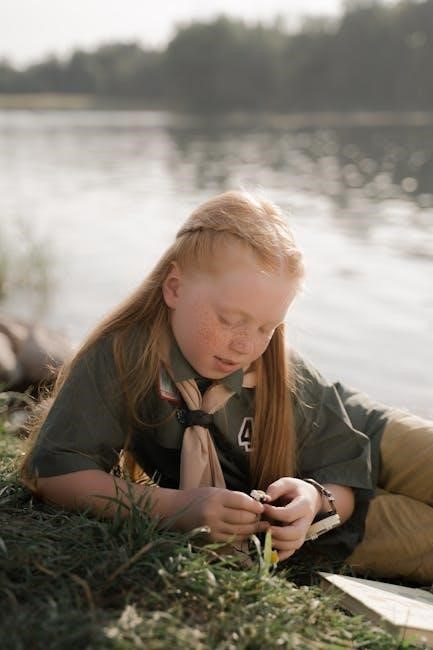
Girl Scouts can express creativity through flower pressing for art, or by crafting flower seed bombs – a fun, eco-friendly activity promoting wildflower growth!
Flower Pressing & Art
Flower pressing is a classic craft, perfectly aligning with the Junior Flowers Badge’s focus on appreciating floral beauty․ This technique preserves blossoms, transforming them into delicate art materials․ Traditionally, flowers are placed between absorbent paper (like blotting paper or newspaper) and weighted down with heavy books for several weeks․
However, specialized flower presses are readily available, offering more even pressure and faster drying times․ Once pressed, the flowers become brittle and can be used in various artistic endeavors․ Girl Scouts can create framed floral arrangements, decorate cards and stationery, or even incorporate pressed flowers into resin crafts․
Beyond the aesthetic appeal, flower pressing teaches patience and observation skills․ It encourages a closer look at flower anatomy and the subtle changes that occur during the drying process․ This activity connects the Girl Scouts with nature in a tangible and creative way, enhancing their understanding and appreciation for the natural world․
Making Flower Seed Bombs
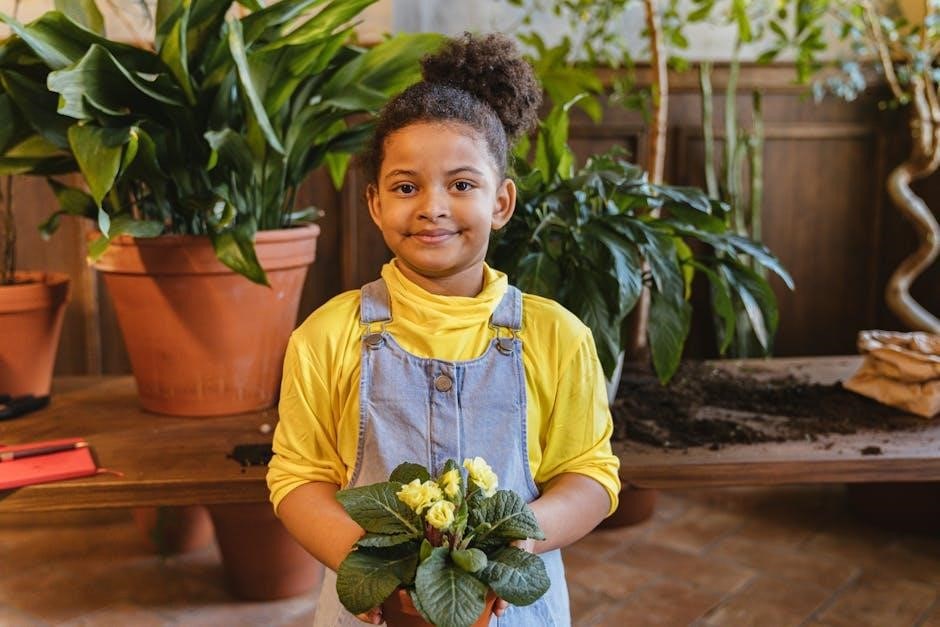
Flower seed bombs are a fun and eco-friendly activity, perfectly suited for earning the Junior Flowers Badge and promoting pollinator-friendly habitats․ These small spheres contain seeds, clay, and compost, designed to be tossed into neglected areas to encourage wildflower growth․ The clay protects the seeds, while the compost provides initial nutrients․
Creating seed bombs is a simple process: mix clay, compost, and wildflower seeds with water to form a moldable paste․ Roll the paste into small balls and allow them to dry completely․ Girl Scouts can research native wildflower species appropriate for their region, ensuring they support local ecosystems․
This activity not only fosters a connection with nature but also teaches about seed dispersal and plant life cycles․ It’s a hands-on way to contribute to environmental stewardship and create beautiful, beneficial spaces for pollinators, aligning with the badge’s goals of understanding and appreciating flowers․
Resources & Further Exploration
Knowlege-sharing platforms like Zhihu offer insights, while online resources aid flower identification․ Botanical gardens and shows provide immersive learning experiences for scouts․
Online Resources for Flower Identification
Numerous digital tools can assist Junior Girl Scouts in fulfilling the flower identification component of the badge․ Websites dedicated to botany and wildflower identification, such as those maintained by universities or conservation organizations, offer extensive databases with detailed descriptions and images․ These resources often allow users to filter by color, petal shape, leaf arrangement, and geographic location, streamlining the identification process․
Furthermore, mobile applications designed for plant identification, utilizing image recognition technology, can be incredibly helpful during outdoor explorations․ Scouts can simply photograph an unknown flower, and the app will suggest potential matches․ However, it’s crucial to emphasize the importance of verifying identifications using multiple sources and consulting with knowledgeable adults․ Platforms like Zhihu, while broader in scope, can sometimes offer community-sourced insights into local flora․ Remember to prioritize reliable, scientifically-backed resources for accurate learning․
Books & Guides on Flower Gardening
To deepen their understanding of flower gardening, Junior Girl Scouts can explore a wealth of published resources․ Beginner-friendly gardening guides specifically tailored for young audiences provide step-by-step instructions on soil preparation, planting techniques, and ongoing care․ Look for books that emphasize regional suitability, helping scouts choose flowers that will thrive in their local climate․
More comprehensive gardening encyclopedias offer detailed information on a wider variety of flowers, including their growth habits, sunlight requirements, and potential pest problems․ Local horticultural societies and botanical gardens often publish guides focused on native plants and sustainable gardening practices․ Remember to encourage scouts to cross-reference information from multiple sources and to consider the specific needs of their chosen flowers․ These resources complement hands-on experience and foster a lifelong love of gardening․
Local Botanical Gardens & Flower Shows
Visiting local botanical gardens and flower shows provides an immersive learning experience for Junior Girl Scouts working towards their Flower Badge․ These venues showcase a diverse array of flowers, allowing scouts to observe different species, colors, and growth habits firsthand․ Many gardens offer educational programs and guided tours specifically designed for children, enhancing their understanding of plant life cycles and pollination․
Flower shows often feature competitive exhibits, demonstrating the artistry and skill involved in flower arranging and cultivation․ Scouts can gain inspiration from these displays and learn about best practices for growing healthy, vibrant flowers․ Check local event listings for upcoming flower shows and garden festivals․ These outings offer a valuable opportunity to connect with nature, engage with gardening experts, and appreciate the beauty of the floral world․